Another important sanctuary at the Hebdomon was the church built by Emperor Arcadius in the year 407 to house the reputed remains of the Prophet Samuel. This church added greatly to the religious fame of the suburb and confirmed its status as a sacred place closely connected with imperial devotion and Christian belief.
At that time, relics were regarded as powerful symbols of divine presence and protection. The bones or personal remains of a prophet or saint were believed to bring blessing, healing, and safety to the places where they rested. For this reason, the relics of the Prophet Samuel were treated with extraordinary reverence from the moment they left Palestine The Religious Importance of the Hebdomon.
The Journey of the Relics from Palestine
The transfer of the relics from Palestine to Constantinople, passing through Asia Minor, was conducted with such ceremony and enthusiasm that it resembled an imperial procession. Along the entire route, crowds gathered to witness the sacred journey. People prayed, sang hymns, and displayed deep emotion, as if the prophet himself were passing through their towns and villages.
Churches opened their doors, clergy came out in procession, and the faithful followed the relics with devotion. The reverence shown was so intense that contemporaries remarked that the movement of the relics felt like a living presence traveling through the land. This reaction reveals how deeply religious faith shaped daily life in the Byzantine world and how strongly the people believed in the spiritual power of holy remains.
Arrival in Constantinople
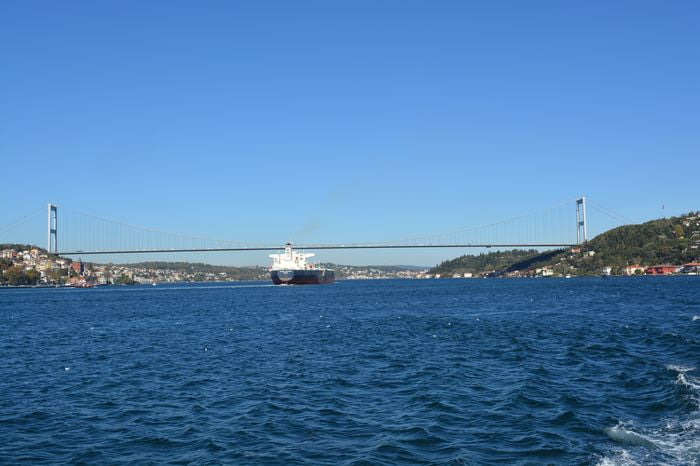
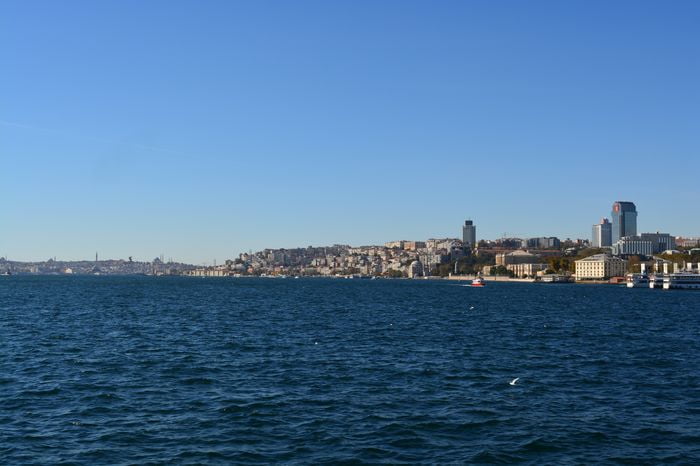
When the relics finally reached Constantinople, the honour shown to them increased even further. The emperor himself, together with the highest officials of the Church and State, went out to meet them at the Scala Chalcedonensis, a landing place on the Asiatic side of the Bosporus. From there, the relics were carried in a solemn procession across the water and into the city.
The procession moved slowly and with great ceremony, accompanied by prayers, incense, and hymns. The sacred remains were first taken to the Church of Hagia Sophia, the greatest church in the empire. There they rested temporarily, receiving the veneration of the clergy and the people, while the new church at the Hebdomon was being prepared Communist Bulgaria Tour.
The Church at the Hebdomon
Once completed, the church built by Arcadius at the Hebdomon became the permanent home of the relics of the Prophet Samuel. Its presence greatly increased the spiritual importance of the suburb. Pilgrims visited the church to pray, seek healing, and ask for divine protection. Emperors and nobles also honoured the site, viewing it as both a religious and imperial foundation.
The church stood for more than a century and was counted among the notable sanctuaries of the Hebdomon, alongside the Basilica of St. John the Evangelist.
Destruction by Earthquake
Sadly, the church did not survive the natural disasters that frequently struck Constantinople and its surroundings. In the thirty-first year of the reign of Justinian the Great, a violent earthquake shook the region. During this catastrophe, the church of the Prophet Samuel at the Hebdomon collapsed and was destroyed.
Its fall marked the loss of another great religious monument of the suburb. Yet, even in ruin, the memory of the church and the extraordinary journey of the prophet’s relics continued to testify to the deep faith and ceremonial splendour of Byzantine religious life.